Common Mistakes in Option Trading and How to Avoid Them

More than 70% of beginners lose their first deposit in short-term digital options within the first month. This number is not based on market volatility — it reflects behavioral patterns.
Based on aggregated demo account data from Cronika users, the most common early-stage problems during the first 50 trades are:
- overestimating real win rate by 10–15%
- ignoring payout mathematics
- increasing position size after 2–3 losses
- switching strategies too early
The issue is rarely technical. It is structural.
Fixed-return contracts look simple. You choose direction, select a time horizon, and wait for the result. But this market removes flexibility after entry. There is no mid-trade adjustment. Every mistake is final.
If you are new to this environment, start with our foundational guide on What Are Binary Options? to understand the mechanics before continuing.
Below is a structured breakdown of the most common mistakes in option trading — with practical examples and corrective frameworks.
What Are Binary Options in Practice?
Binary options (also known as digital options or fixed-return contracts) are time-bound directional agreements.
You predict whether price will close above or below a reference level at a defined moment.
There are only two outcomes:
- predefined gain
- predefined loss
Because of this simplicity, many traders underestimate the importance of probability and discipline.
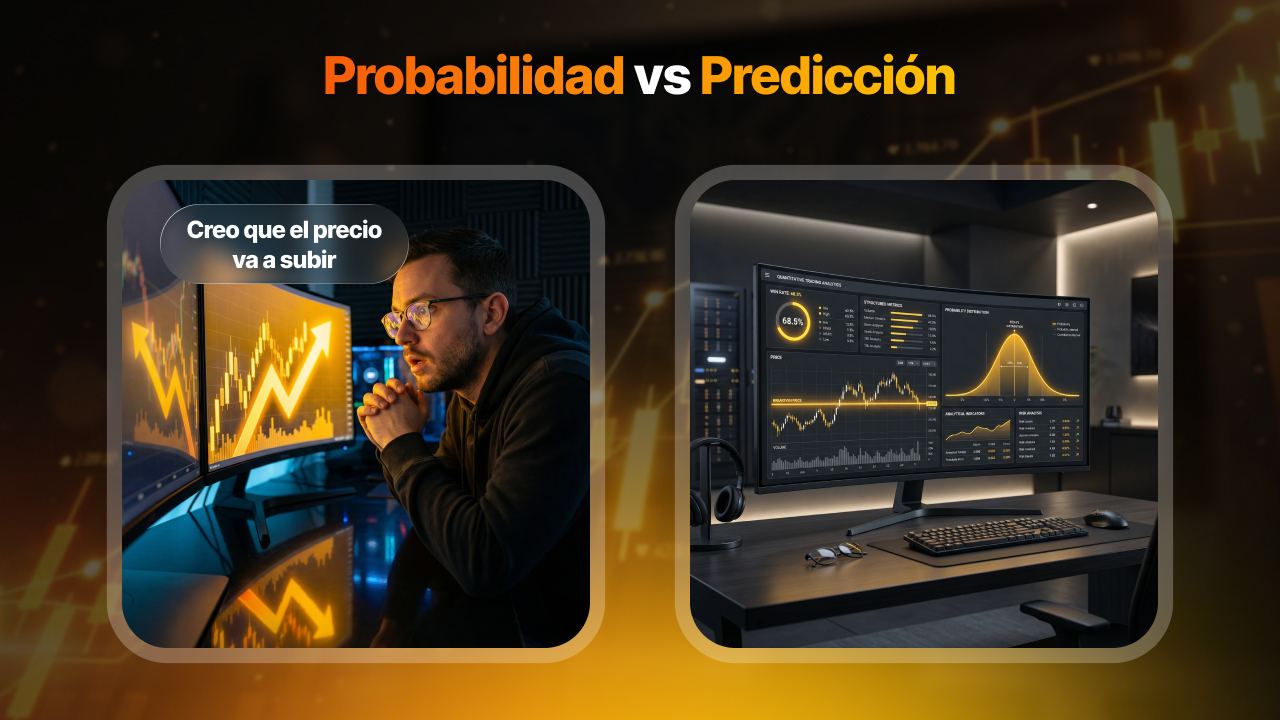
1. Confusing Prediction With Probability

Most beginners approach this market emotionally. They try to “predict correctly” instead of building statistical advantage.
Micro Case
Payout: 80% 50 trades Win rate: 54%
The trader feels close to success.
Mathematically, expectancy remains negative.
Why?
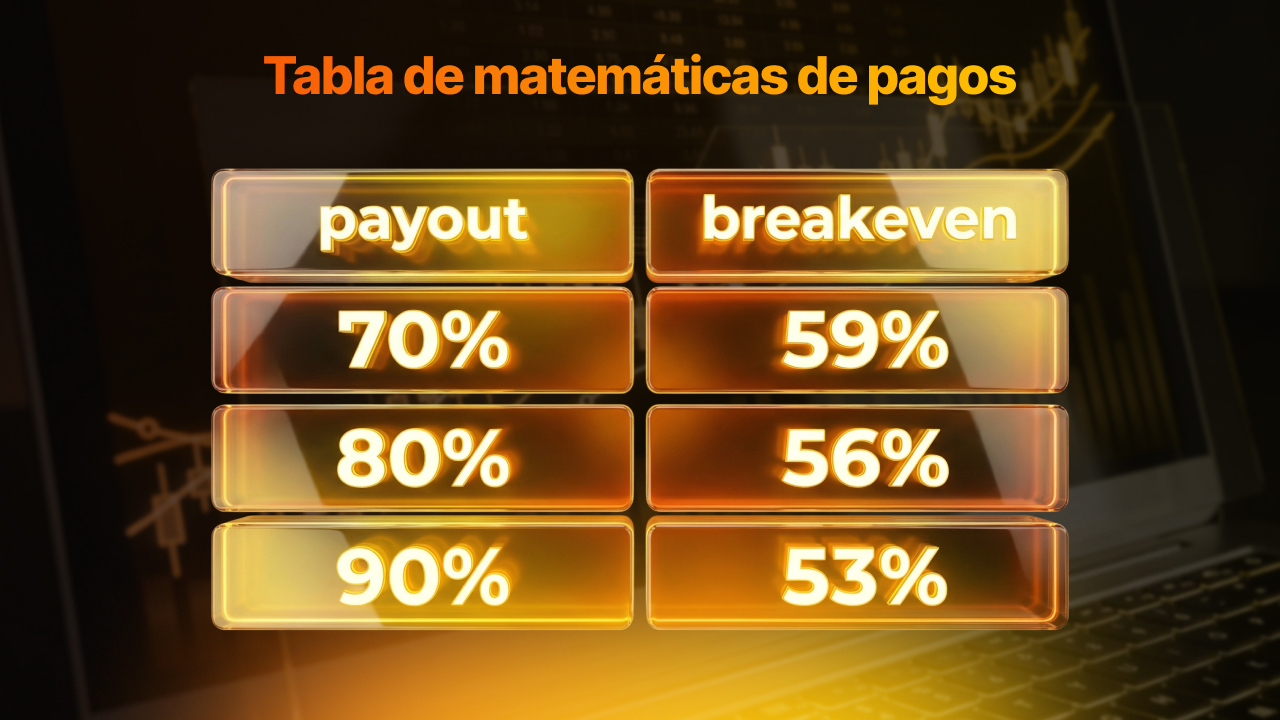
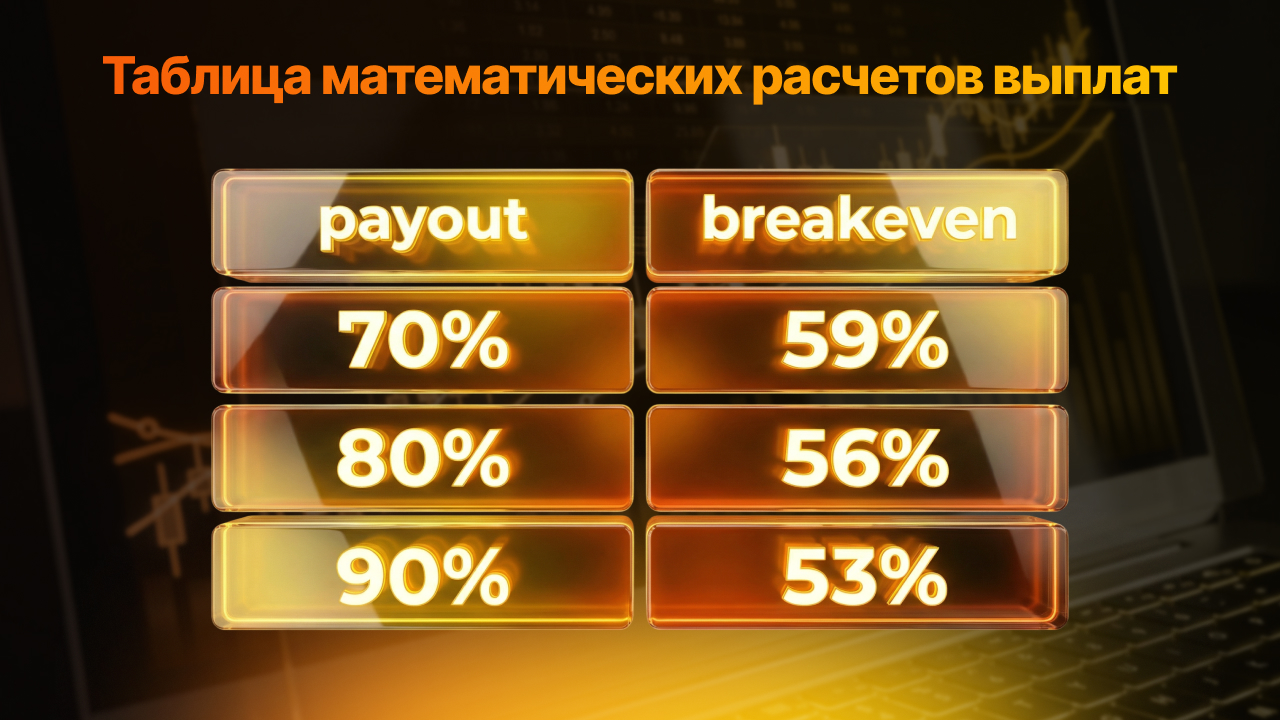
Breakeven threshold at 80% payout ≈ 56%.
Below that, capital declines gradually.
Correction Framework
- Evaluate performance in blocks of 50–100 trades
- Track real win rate vs perceived win rate
- Calculate breakeven threshold before trading
Probability, not intuition, defines sustainability.
2. Misunderstanding Core Terms
Many mistakes begin with weak conceptual clarity.
Call and Put
Call = price closes higher Put = price closes lower
You are not buying assets. You are forecasting direction within a defined window.
Expiration (Explained Once)
Expiration determines the decision point.
Mismatch example:
15-minute structure analysis 1-minute expiration
Probability drops due to timing inconsistency.
From this point forward, expiration alignment should be assumed as mandatory.
Strike Price
Strike price is the entry reference. Above → Call wins Below → Put wins
Understanding this eliminates confusion about outcome logic.
3. Ignoring Payout Mathematics
Payout ratio determines breakeven level.
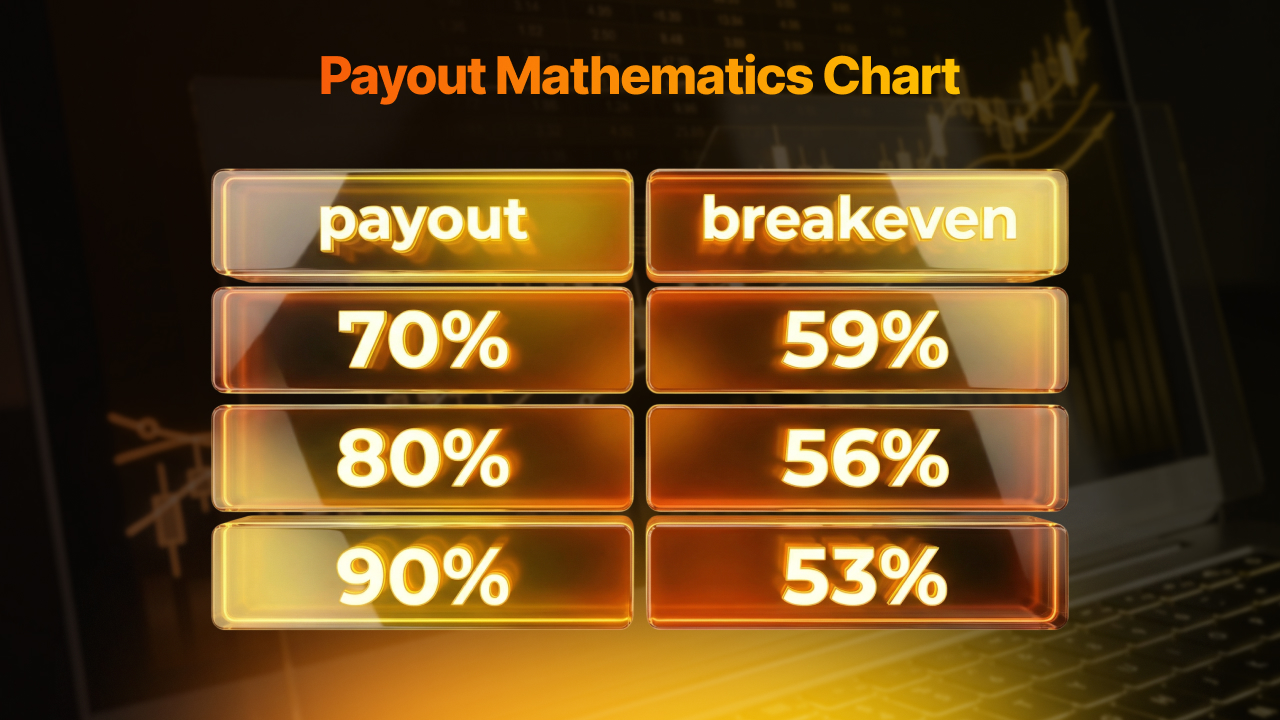
According to Cronika demo data, beginners frequently aim for unrealistic 70–80% accuracy when controlled strategies often operate around 58–62%.
Misunderstanding this creates frustration and overtrading.
4. Overtrading and Emotional Acceleration
Digital contracts close quickly. Fast feedback increases emotional intensity.
Typical pattern:
Win → confidence spike → immediate new trade Loss → recovery attempt → size increase
Within 10–15 trades, structure collapses.
Micro Simulation
Account: $1,000 Risk per trade: 3%
10 disciplined trades → stable variance 10 impulsive trades → volatility spike
Edge disappears under emotional pressure.
Practical Limit Rule
- Maximum 3–5 trades per session
- Stop after 2 consecutive losses
Less activity = better execution quality.
5. Trading Against Market Structure
Counter-trend entries feel intelligent. In practice, they reduce probability in short-term contracts.
Comparison
Trend-following setup → aligned with momentum Counter-trend setup → relies on immediate reversal
Because time is limited, structure matters more than anticipation.
Correction: Align with dominant direction unless strong structural confirmation exists.
6. Increasing Position Size After Losses
Risk escalation is the fastest way to destroy capital.
Example
Starting balance: $1,000 Normal risk: 2% After 3 losses, trader increases to 8%. Five consecutive losses at 8% ≈ 34% drawdown. Recovery now requires ≈ 52% return. Mathematics becomes psychologically heavy.
Correction: Keep risk fixed between 1–3%.
Never adjust size emotionally.
7. No Written Execution Plan
Without defined criteria, traders drift.
A minimal structured framework should define:
- acceptable market conditions
- entry trigger
- expiration alignment
- daily risk cap
If rules are not documented, they will change mid-session.
8. Ignoring Data and Journaling
Human memory is biased.
After 30–50 logged trades, patterns become visible:
- actual win rate
- average drawdown
- emotional mistakes
- timing inconsistencies
Data removes illusion.
9. Indicator Overload or Indicator Avoidance
Some traders overload charts. Others trade without structure.
In fixed-return environments, indicators are probability filters.
Effective structure:
- 1 trend filter
- 1 momentum confirmation
Complexity rarely improves expectancy.
10. Switching Strategies Too Early
Beginners abandon strategies after 5–10 trades.
Statistically, this sample size is irrelevant.
Based on Cronika demo activity, early strategy abandonment is one of the top reasons traders never reach stable performance.
Correction:
- Test at least 50–100 trades
- Adjust based on data, not emotion
Case Study: Two Beginner Profiles
Trader A – Structured
Risk: 2% Trades per session: 4 Logged 80 trades Win rate: 59% Payout: 80%
Result: positive expectancy, manageable drawdown.
Trader B – Emotional
Risk: variable (2–10%) Trades per session: 10+ No journaling Strategy switching every 15 trades
Result: inconsistent equity curve, large drawdowns.
Difference is not intelligence. It is structure.
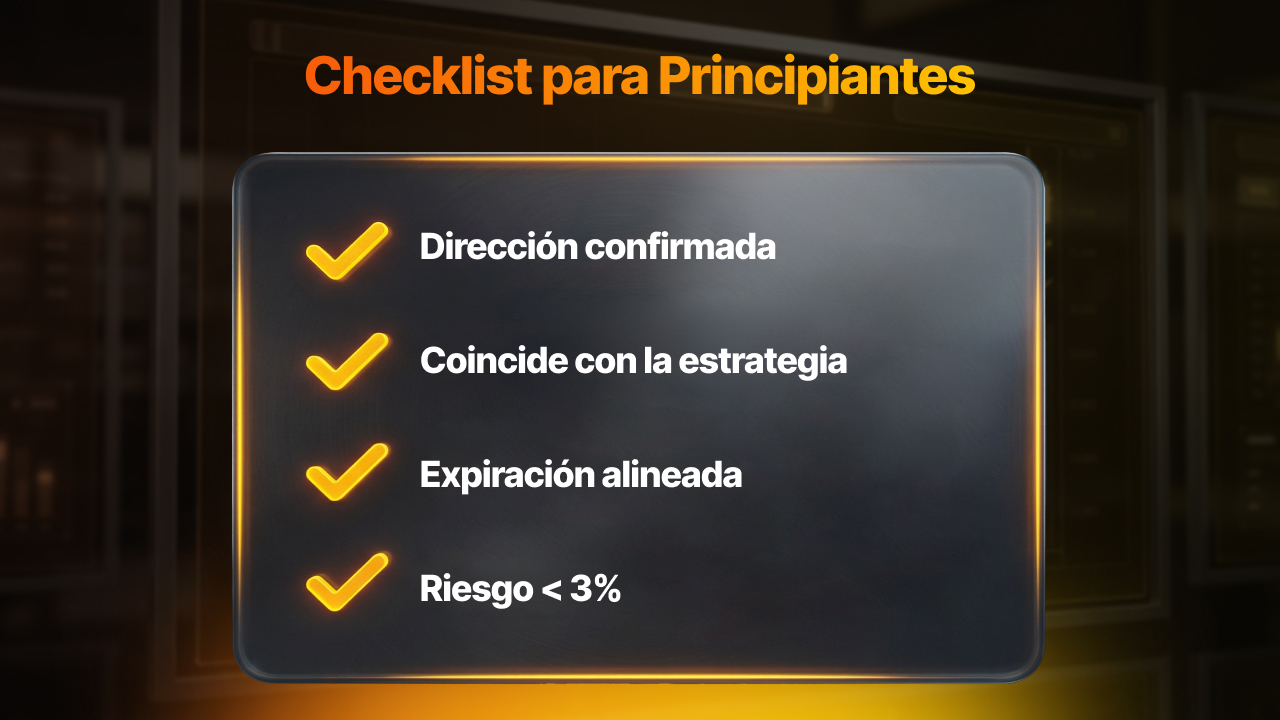
Beginner Checklist Before Entering a Trade
Before executing:
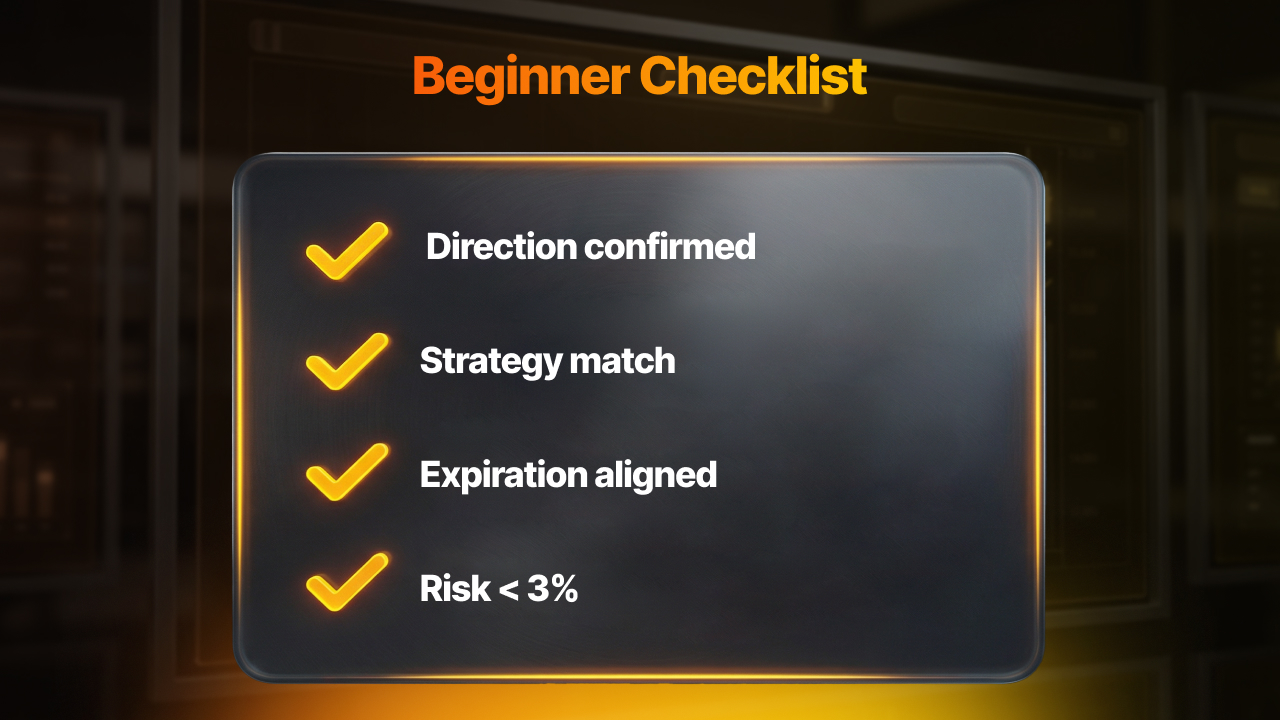
Skipping poor setups increases expectancy more than forcing activity.
Demo Environment and Learning Phase
Testing strategies in demo mode allows:
- measuring realistic performance
- understanding variance
- observing drawdown cycles
- building discipline
On Cronika, demo access allows traders to simulate real market conditions before capital exposure.
Skipping this phase increases psychological volatility.
Why Mistakes Repeat in This Market
Because simplicity creates illusion.
Short-term contracts remove complexity — but amplify discipline issues.
This market exposes:
- impatience
- risk escalation
- statistical ignorance
- emotional bias
Improvement comes from measurement and constraint.
Final Perspective
Option trading is not prediction. It is controlled execution under probabilistic uncertainty.
Most losses come from:
- ignoring payout math
- random timing
- excessive activity
- emotional risk adjustments
- lack of statistical tracking
When approached as a structured statistical process, fixed-return contracts become measurable and repeatable.
Discipline is edge.
Summary By AI
Most beginner losses in short-term binary options do not come from market conditions, but from behavioral mistakes. Overtrading, misunderstanding payout mathematics, increasing position size after losses, and abandoning strategies too early are among the most common issues during the first stages of trading. Binary options require disciplined execution because trade parameters cannot be adjusted after entry. Success therefore depends less on prediction and more on probability management, structured risk control, and consistent evaluation of trading data over many trades. When approached as a statistical process — with controlled risk, clear rules, and performance tracking — binary options become a measurable trading framework rather than an emotional activity. Discipline and structure, not intuition, ultimately determine long-term results.